

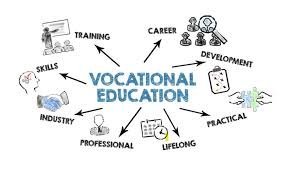
In today’s fast-paced and competitive job market, there is a growing emphasis on skill-based education. Vocational training has emerged as a crucial solution, bridging the gap between education and employment. It equips individuals with practical skills that are directly applicable in the workforce, thereby enhancing employability and economic growth.
What is Vocational Training?
Vocational training, also known as career or technical education, focuses on equipping individuals with specific skills required for a particular trade or occupation. Unlike traditional academic education, which emphasizes theoretical knowledge, vocational training emphasizes hands-on experience and practical learning.
These programs cover a wide range of sectors including healthcare, information technology, manufacturing, hospitality, construction, and more. By focusing on skill development rather than general education, vocational training helps individuals meet the exact requirements of employers, making them job-ready upon completion.
Key Features of Vocational Training
- Practical Learning: Students gain real-world experience through workshops, internships, and apprenticeships.
- Industry-Relevant Curriculum: Courses are designed in collaboration with industry experts to meet current market demands.
- Short-Term Programs: Many vocational courses can be completed in months, allowing individuals to enter the workforce quickly.
- Certification and Recognition: Most programs offer certificates or diplomas that validate skills and enhance employability.
Importance of Vocational Training in the Modern Economy
The world is witnessing a shift from traditional academic paths to skill-based employment. Companies today prefer candidates with relevant practical skills over purely academic credentials. Here’s why vocational training has become indispensable:
1. Enhances Employability
One of the primary advantages of vocational training is its direct impact on employability. Employers seek candidates who can immediately contribute to the workforce. Vocational programs provide the necessary training for industries such as healthcare, IT, automotive, construction, and hospitality, enabling students to become job-ready.
2. Bridges the Skills Gap
Despite the availability of jobs, many industries face a shortage of skilled labor. Vocational training addresses this gap by equipping individuals with targeted skills required by employers. For example, as technology evolves, there is an increasing demand for professionals skilled in robotics, artificial intelligence, and digital marketing—areas where vocational training programs play a vital role.
3. Promotes Economic Growth
Skilled workers are essential for the economic development of a country. By producing a workforce that meets the needs of industries, vocational training stimulates productivity, reduces unemployment, and contributes to GDP growth. Countries with strong vocational education systems, like Germany and Switzerland, consistently showcase lower unemployment rates among youth.
4. Encourages Entrepreneurship
Vocational training not only prepares individuals for employment but also equips them with entrepreneurial skills. Many programs teach business management, customer service, and technical expertise, empowering graduates to start their own ventures. For example, trained chefs, electricians, and IT specialists can launch small businesses, thereby creating employment opportunities for others.
Types of Vocational Training Programs
Vocational training is diverse and adaptable to various career paths. Some of the most common programs include:
1. Technical and Industrial Training
This includes programs for electricians, mechanics, machine operators, and technicians. These programs focus on hands-on experience with machinery, tools, and technical systems.
2. Healthcare Training
Healthcare vocational courses train individuals as nurses, medical technicians, dental assistants, and lab technicians. These roles are in high demand due to the ongoing expansion of the healthcare industry globally.
3. Information Technology Training
IT vocational programs teach coding, software development, network administration, and cybersecurity. With the growing reliance on digital technology, IT skills have become essential across multiple sectors.
4. Hospitality and Tourism Training
This includes training for hotel management, culinary arts, travel consultancy, and event management. The hospitality sector highly values practical experience and customer service skills.
5. Creative and Artistic Training
Vocational programs also cater to creative professions such as graphic design, photography, fashion design, and multimedia production. These programs combine technical skill development with creative expression.
How Vocational Training Benefits Different Stakeholders
Vocational training benefits not just individuals but also industries, governments, and society as a whole.
For Individuals
- Faster Job Placement: Students gain practical experience that enhances their employability.
- Higher Earning Potential: Skilled professionals often command better salaries than unskilled workers.
- Career Flexibility: Vocational skills can be adapted to different industries and career paths.
For Employers
- Access to Skilled Workforce: Companies can hire employees who are ready to contribute immediately.
- Reduced Training Costs: Employers spend less on training because vocational graduates are already job-ready.
- Improved Productivity: Skilled employees perform tasks efficiently, boosting overall productivity.
For Governments
- Reduced Unemployment: Vocational training equips youth with employable skills, reducing joblessness.
- Economic Development: Skilled labor supports industrial growth and attracts foreign investment.
- Social Stability: Employment through vocational training improves living standards and reduces poverty.
Challenges in Vocational Training
Despite its benefits, vocational training faces several challenges:
- Social Perception: In many countries, vocational education is viewed as less prestigious than academic education, discouraging enrollment.
- Quality and Standardization: Inconsistent curriculum quality can hinder graduates’ employability.
- Funding Issues: Insufficient government or private funding can limit access to high-quality vocational programs.
- Rapid Technological Changes: Training programs must continuously update their curriculum to keep pace with evolving industry needs.
Strategies to Strengthen Vocational Training
To maximize the impact of vocational education, governments, educational institutions, and industries must work together. Effective strategies include:
- Industry Partnerships: Collaboration with businesses ensures that programs remain aligned with market requirements.
- Government Incentives: Scholarships, subsidies, and tax benefits can encourage participation in vocational programs.
- Awareness Campaigns: Promoting the value of vocational training can help overcome social stigma.
- Continuous Skill Upgradation: Offering advanced training and certification ensures that workers remain competitive.
The Future of Vocational Training
The future of vocational training is promising, driven by technological innovation and changing workforce demands. Emerging areas include:
- Digital Skills Training: As automation and AI reshape industries, digital literacy and coding skills will become essential.
- Green and Sustainable Skills: Renewable energy, sustainable construction, and environmental management are creating new vocational opportunities.
- Remote and Online Training: E-learning platforms are making vocational education more accessible, especially in remote areas.
- Lifelong Learning: Workers will increasingly need ongoing vocational training to adapt to evolving job requirements.
Conclusion
Vocational training serves as a critical bridge between skills and employment opportunities. By focusing on practical learning, industry relevance, and skill certification, vocational programs enhance employability, support economic growth, and foster entrepreneurship. Despite challenges such as social perception and funding issues, the continued evolution and investment in vocational education promise a skilled workforce ready to meet the demands of the modern economy.
For individuals seeking rewarding careers and for industries looking to hire skilled professionals, vocational training is no longer optional—it is essential. As nations prioritize skill development, vocational training will remain at the forefront of workforce empowerment, bridging the crucial gap between education and employment.
SEO Optimization Notes:
- Primary Keywords: vocational training, employment opportunities, skill development, job-ready, career training
- Secondary Keywords: technical education, hands-on learning, skill-based education, workforce development, vocational programs
- Meta Description (Example): Discover how vocational training bridges skills and employment opportunities, enhances employability, and promotes economic growth through practical, industry-relevant programs.
I can also create a fully SEO-ready version with headings optimized for search engines, meta tags, FAQs, and internal linking suggestions, which would boost the article’s visibility significantly.
Do you want me to create that enhanced SEO version?