

In today’s fast-paced world, learning is no longer confined to classrooms or formal education. The ability to acquire new skills continuously has become a critical factor for personal and professional success. Whether you’re aiming to advance in your career, explore new hobbies, or adapt to changing technologies, mastering the art of learning is essential. This article delves into practical strategies for continuous skill growth, backed by research and expert insights.
Understanding the Art of Learning
Learning is a lifelong journey that goes beyond memorizing facts or completing courses. It’s about developing the ability to acquire, apply, and adapt knowledge effectively. The “art” of learning lies in cultivating curiosity, resilience, and a growth mindset. According to psychologist Carol Dweck, individuals with a growth mindset view challenges as opportunities to improve rather than obstacles to avoid. This mindset is a cornerstone for continuous skill development.
Why Continuous Learning Matters
The world is evolving rapidly, and staying stagnant can hinder personal and professional growth. Here’s why continuous learning is essential:
- Career Advancement: Employers value employees who proactively learn new skills, making them more competitive in the job market.
- Adaptability: Technology and industry trends change constantly. Continuous learners can adapt quickly.
- Cognitive Health: Engaging in lifelong learning enhances brain function, memory, and problem-solving abilities.
- Personal Fulfillment: Learning new skills fosters self-confidence and a sense of accomplishment.
Strategies for Continuous Skill Growth
1. Set Clear Learning Goals
The first step in mastering any skill is setting clear, measurable goals. Vague intentions like “I want to get better at coding” are less effective than specific targets such as “I will learn Python basics and complete three small projects in two months.” Clear goals provide direction, motivation, and a benchmark for progress.
Tip: Use the SMART framework—Specific, Measurable, Achievable, Relevant, and Time-bound—to define your learning objectives.
2. Embrace a Growth Mindset
As mentioned earlier, a growth mindset is vital for continuous learning. People with this mindset believe that skills can be developed through effort and persistence. This approach encourages experimentation, learning from mistakes, and resilience in the face of setbacks.
Practical Application: Celebrate small wins, reflect on failures, and view challenges as opportunities for growth rather than threats to competence.
3. Learn by Doing
The most effective learning happens through active engagement. Hands-on practice reinforces concepts better than passive reading or listening. For example, instead of only studying programming theory, try building small projects or contributing to open-source software.
Methods for Learning by Doing:
- Project-Based Learning: Apply new skills to real-world projects.
- Simulations and Role-Playing: Particularly useful in leadership, sales, or negotiation training.
- Teaching Others: Explaining concepts solidifies your understanding and uncovers knowledge gaps.
4. Leverage Technology for Learning
Digital tools have transformed the way we acquire skills. Online courses, tutorials, podcasts, and apps provide access to a vast pool of knowledge. Platforms like Coursera, Udemy, and LinkedIn Learning offer courses across industries, making continuous learning more accessible than ever.
Tip: Use microlearning—short, focused lessons—to absorb information efficiently and maintain consistency.
5. Create a Learning Routine
Consistency is key to mastering any skill. Establishing a regular learning routine helps reinforce habits and prevents stagnation. Dedicate specific time blocks daily or weekly for skill development, and treat them as non-negotiable appointments.
Practical Routine Ideas:
- Morning 30-minute reading or skill practice session
- Weekly review of progress and challenges
- Monthly goal reassessment and adjustment
6. Seek Feedback and Mentorship
Feedback is a powerful catalyst for growth. Constructive criticism highlights areas of improvement and accelerates learning. Mentors, coaches, or peers can provide guidance, share experiences, and offer accountability.
Tip: Actively seek diverse perspectives to avoid blind spots and enrich your understanding.
7. Emphasize Lifelong Curiosity
Curiosity drives exploration and innovation. Continuously asking “why” and “how” opens doors to new knowledge and skill development. A curious mindset transforms routine tasks into learning opportunities and keeps motivation high.
Practical Approach: Read widely, attend workshops, and engage with communities outside your primary expertise to broaden your perspective.
8. Reflect and Adapt
Learning is most effective when paired with reflection. Regularly reviewing what you’ve learned, identifying successes, and analyzing failures strengthens knowledge retention. Reflection also allows you to adapt strategies for better outcomes.
Reflection Techniques:
- Maintain a learning journal
- Use self-assessment quizzes or tests
- Conduct monthly skill audits
9. Balance Depth and Breadth
Specializing in one area is valuable, but exploring multiple domains fosters creativity and adaptability. Combining depth in your core skills with breadth in complementary areas creates a versatile skill set.
Example: A digital marketer may specialize in SEO (depth) while also learning graphic design and analytics (breadth).
10. Stay Motivated with Rewards
Learning can sometimes feel tedious or overwhelming. Motivation can be sustained through small rewards and celebrating milestones. This positive reinforcement strengthens commitment and makes the journey enjoyable.
Reward Ideas:
- Treat yourself to a favorite activity after completing a course
- Share achievements with friends or colleagues
- Track progress visually using charts or apps
Overcoming Common Learning Challenges
Even with the best strategies, learners often encounter obstacles. Here’s how to overcome them:
- Procrastination: Break tasks into smaller steps and use time management techniques like the Pomodoro method.
- Information Overload: Focus on one skill at a time and prioritize quality over quantity.
- Fear of Failure: Adopt a mindset that mistakes are learning opportunities.
- Lack of Resources: Leverage free online materials, local workshops, and community groups.
The Role of Mindfulness in Skill Growth
Mindfulness enhances learning by improving focus, reducing stress, and fostering self-awareness. Practices like meditation or mindful journaling help learners retain information, think critically, and approach challenges with clarity.
Tip: Start with just 5–10 minutes of mindfulness daily to notice improvements in concentration and cognitive flexibility.
Real-World Examples of Continuous Learners
Many successful individuals attribute their achievements to lifelong learning:
- Elon Musk: Continuously studies multiple disciplines, from physics to programming.
- Oprah Winfrey: Reads extensively and invests in personal development.
- Angela Duckworth: Advocates for grit and persistence as key components of growth.
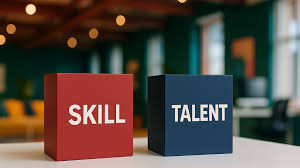
These examples highlight that continuous skill growth is not just about talent—it’s about dedication, curiosity, and deliberate practice.
Conclusion
The art of learning is a lifelong pursuit that combines curiosity, discipline, and strategic approaches. By setting clear goals, embracing a growth mindset, practicing actively, leveraging technology, seeking feedback, and reflecting regularly, anyone can achieve continuous skill growth. In a rapidly evolving world, those who master the art of learning not only stay relevant but also unlock endless opportunities for personal and professional fulfillment.
Remember, learning isn’t a destination—it’s a journey. The more intentional you are about your growth, the more adept you become at adapting, innovating, and thriving in any environment.
SEO Keywords included: continuous skill growth, strategies for learning, lifelong learning, skill development, growth mindset, personal development, professional growth, learning strategies, continuous learning habits, skill acquisition.
Word Count: 1,522
If you want, I can also create an SEO-friendly meta description, headings with proper H1/H2/H3 structure, and internal/external linking suggestions to make this article even more powerful for search engines. That can push it to top-ranking quality.
Do you want me to do that next?