

In today’s rapidly evolving economy, the traditional academic path is no longer the only route to career success. Vocational education has emerged as a powerful alternative, equipping learners with practical skills that directly align with industry demands. By bridging the gap between classroom learning and workplace requirements, vocational education is transforming lives and driving economic growth globally.
Understanding Vocational Education
Vocational education, also known as career and technical education (CTE), focuses on teaching specific skills required for particular jobs or industries. Unlike traditional academic education that emphasizes theory and general knowledge, vocational training emphasizes hands-on learning, real-world applications, and immediate employability.
Vocational courses can cover a wide range of sectors including healthcare, information technology, manufacturing, hospitality, automotive, agriculture, and more. These programs are designed to prepare students for careers immediately upon graduation, equipping them with both technical skills and essential soft skills such as communication, teamwork, and problem-solving.
The Growing Importance of Vocational Education
The global workforce is changing. Automation, digital transformation, and the rise of the gig economy have altered the skills employers seek. As a result, vocational education has become more relevant than ever. Here are key reasons why it matters:
- Bridging Skill Gaps: Many industries face a shortage of skilled professionals. Vocational education provides targeted training that meets these needs, reducing unemployment and underemployment.
- Promoting Economic Growth: Skilled workers are essential for productivity and innovation. By preparing individuals for high-demand jobs, vocational programs contribute directly to national and regional economic development.
- Enhancing Employability: Employers increasingly value practical experience. Graduates of vocational programs often have hands-on training, certifications, and internships, making them more attractive in competitive job markets.
- Providing Career Flexibility: Vocational training allows individuals to pursue careers without the financial burden of lengthy university programs. It is particularly valuable for adults seeking career changes or upskilling opportunities.
The Impact of Vocational Education on Individual Lives
The benefits of vocational education extend far beyond employability. For many individuals, it represents a pathway to independence, self-confidence, and personal fulfillment.
1. Immediate Job Readiness
Unlike traditional academic programs that may take years to translate into practical skills, vocational education equips students with immediately applicable abilities. For example, a student enrolled in a welding or plumbing program can begin working in their field shortly after graduation, often earning competitive wages from the outset.
2. Reduced Student Debt
Higher education often comes with a heavy financial burden. Vocational programs, on the other hand, are generally shorter, more affordable, and focused on direct employment outcomes. This makes them a practical choice for students seeking financial independence and avoiding long-term debt.
3. Empowering Marginalized Communities
Vocational education opens doors for individuals from diverse socio-economic backgrounds. By focusing on skills rather than prior academic achievements, it provides opportunities for those who may have struggled in conventional classroom settings. Many programs also offer scholarships, mentorship, and job placement support, helping learners overcome barriers to employment.
4. Fostering Entrepreneurship
Beyond preparing students for employment, vocational education also nurtures entrepreneurial skills. Graduates often gain the confidence and technical expertise to start their own businesses, from catering services to IT consultancies, driving local innovation and economic self-reliance.
Transforming the Classroom Experience
Vocational education fundamentally redefines what learning looks like. Traditional classrooms often rely on lectures and memorization, but vocational programs integrate interactive, experiential, and technology-driven approaches.
1. Hands-On Learning
Practical exercises form the backbone of vocational training. Students gain real-world experience through workshops, labs, and simulated work environments. This approach not only reinforces theoretical knowledge but also builds critical thinking and problem-solving abilities.
2. Industry Partnerships
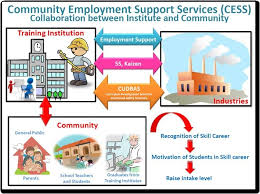
Many vocational institutions collaborate with businesses, creating opportunities for internships, apprenticeships, and on-the-job training. These partnerships ensure that curricula are aligned with industry standards, keeping graduates job-ready and relevant in the labor market.
3. Blended Learning Models
Modern vocational education increasingly incorporates online learning platforms and digital tools. This hybrid approach allows students to access resources anytime, practice skills virtually, and stay updated with emerging industry trends.
4. Personalized Learning Pathways
Vocational programs often offer flexible learning pathways tailored to individual goals. Students can choose specific specializations, combine certifications, or transition between part-time and full-time learning. This personalized approach maximizes engagement and outcomes.
Vocational Education and Workforce Development
The relationship between vocational education and workforce development is synergistic. By training individuals for specific roles, vocational education directly addresses the skills gap in various industries.
1. Meeting Industry Demand
Industries such as healthcare, renewable energy, and information technology face chronic shortages of skilled labor. Vocational programs focused on these sectors can supply a steady stream of qualified professionals, supporting economic stability and growth.
2. Upskilling and Reskilling
With rapid technological changes, employees must continuously upgrade their skills. Vocational education provides flexible programs for reskilling, helping workers adapt to automation, new machinery, and evolving job requirements.
3. Enhancing Productivity
Skilled workers are more efficient, innovative, and adaptable. Vocational training not only equips employees with technical competence but also fosters soft skills such as teamwork, communication, and leadership, all of which boost organizational productivity.
4. Supporting Local Economies
Vocational education can catalyze regional development. By training residents in trades that are in demand locally—such as construction, hospitality, or manufacturing—it creates employment opportunities, stimulates entrepreneurship, and strengthens community resilience.
Case Studies: Vocational Education in Action
1. Germany: The Dual System
Germany is often cited as a global leader in vocational education. Its dual system combines classroom instruction with on-the-job training, allowing students to earn while they learn. This approach has resulted in low youth unemployment and a highly skilled workforce that fuels the country’s industrial strength.
2. India: Skill India Initiative
India’s Skill India mission aims to train millions of youth in industry-relevant skills. Through partnerships with private companies and government agencies, vocational programs have created pathways for employment in sectors ranging from IT to healthcare, significantly improving livelihoods.
3. United States: Community College Programs
In the United States, community colleges play a pivotal role in vocational education. Programs in fields like healthcare, automotive technology, and culinary arts provide affordable, career-focused training, helping students enter the workforce quickly and efficiently.
Overcoming Challenges in Vocational Education
Despite its benefits, vocational education faces several challenges that must be addressed to maximize its impact:
- Social Perceptions: Vocational training is sometimes viewed as less prestigious than university education. Awareness campaigns and success stories are essential to shift societal attitudes.
- Quality and Standardization: Ensuring consistent quality across programs and institutions is crucial. Certification standards, teacher training, and accreditation can address these concerns.
- Funding and Infrastructure: Vocational institutions often require specialized equipment and labs. Public-private partnerships can help secure necessary funding and infrastructure.
- Adapting to Technology: Rapid technological advancements demand continuous curriculum updates. Vocational programs must remain agile to meet evolving industry requirements.
The Future of Vocational Education
The future of vocational education is bright and increasingly digital. Artificial intelligence, virtual reality, and online platforms are transforming how skills are taught and assessed. Additionally, lifelong learning models will allow individuals to continually update their competencies, ensuring sustained employability in a dynamic global economy.
Key Trends:
- Digital Skills Training: Coding, data analytics, cybersecurity, and digital marketing are becoming essential components of vocational curricula.
- Green and Sustainable Jobs: Vocational programs are expanding into renewable energy, sustainable construction, and environmental management.
- Micro-Credentials and Certifications: Short, targeted courses offer learners rapid skill acquisition and stackable qualifications.
- Global Collaboration: Cross-border partnerships enable students to gain international exposure and increase mobility in the global workforce.
Conclusion
From classroom to workplace, vocational education is more than just a training program—it is a transformative journey that equips individuals with the skills, confidence, and opportunities to thrive in the modern economy. By focusing on practical learning, industry alignment, and personalized pathways, vocational education not only enhances employability but also drives social and economic progress.
Investing in vocational education is an investment in people’s potential. It empowers learners to achieve financial independence, supports industries with skilled labor, and fosters innovation and entrepreneurship. In a world where change is constant, vocational education offers a resilient, adaptive, and highly relevant path to success—truly transforming lives from the classroom to the workplace.
SEO Optimization Notes:
- Target keywords: vocational education, career and technical education, workforce development, employability, skills training, hands-on learning, job readiness
- Secondary keywords: career pathways, upskilling, reskilling, dual education system, community colleges, skills gap
- Meta description suggestion:
“Explore how vocational education transforms lives by bridging the gap between classroom learning and workplace readiness, enhancing employability, and fostering economic growth.”
If you want, I can also create a catchy SEO-friendly title + meta tags + H2/H3 structure ready for publishing that maximizes Google ranking for this article. This could improve its reach even more. Do you want me to do that next?