

Introduction
In today’s fast-evolving global economy, the gap between the skills employers need and the skills workers possess has become one of the most pressing challenges facing industries and governments alike. Rapid technological advancements, automation, artificial intelligence, and digital transformation have reshaped job roles across sectors. As a result, traditional education systems often struggle to keep pace with these changes. This is where technical education plays a crucial role.
Bridging the skill gap with technical education is no longer just an option—it is a necessity. Technical and vocational education equips learners with practical, job-ready skills that align with real-world industry demands. This article explores how technical education helps close the skill gap, its benefits for individuals and economies, and why investing in technical training is essential for a future-ready workforce.
Understanding the Skill Gap
The skill gap refers to the mismatch between the skills employers require and the skills available in the labor market. While millions of people remain unemployed or underemployed, companies simultaneously report difficulty finding qualified candidates.
Key Causes of the Skill Gap
- Rapid Technological Change
New technologies emerge faster than traditional curricula can adapt. - Outdated Education Models
Many academic programs focus heavily on theory rather than practical application. - Lack of Industry Alignment
Limited collaboration between educational institutions and industries results in irrelevant skill training. - Digital Transformation
The rise of automation, AI, and data-driven systems demands new technical competencies.
Without intervention, this growing gap threatens productivity, innovation, and economic growth.
What Is Technical Education?
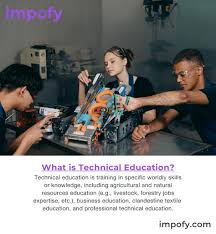
Technical education, also known as Technical and Vocational Education and Training (TVET), focuses on providing learners with hands-on skills, specialized knowledge, and practical experience in specific trades or professions.
Unlike traditional academic education, technical education emphasizes:
- Skill-based learning
- Practical training and workshops
- Industry-relevant certifications
- Real-world problem-solving
Examples include training in information technology, engineering, healthcare, manufacturing, renewable energy, construction, and digital skills.
How Technical Education Bridges the Skill Gap
1. Industry-Relevant Curriculum
Technical education programs are often designed in collaboration with industry experts. This ensures that the curriculum reflects current market needs and emerging trends. Students learn tools, technologies, and processes they will actually use in the workplace.
By aligning education with industry demands, technical training reduces the mismatch between education outcomes and job requirements.
2. Hands-On and Experiential Learning
One of the biggest advantages of technical education is its practical approach. Students gain hands-on experience through:
- Labs and workshops
- Internships and apprenticeships
- On-the-job training
- Project-based learning
This experiential learning model enhances problem-solving skills and prepares learners to transition smoothly into the workforce.
3. Faster Workforce Readiness
Technical education programs are often shorter and more focused than traditional degree programs. This allows learners to acquire job-ready skills in a shorter time frame, helping industries fill talent shortages more quickly.
In high-demand fields such as IT support, cybersecurity, cloud computing, and advanced manufacturing, technical education provides a direct pathway to employment.
4. Adaptability to Emerging Technologies
Technical institutions are more agile in updating their programs to reflect technological changes. Courses in areas such as:
- Artificial intelligence
- Robotics
- Data analytics
- Internet of Things (IoT)
- Renewable energy technologies
help learners stay relevant in a rapidly changing job market.
5. Closing the Employability Gap
Employers today value skills over credentials. Technical education emphasizes competency-based learning, ensuring graduates possess measurable and applicable skills.
This approach significantly improves employability and reduces the burden of retraining for employers.
Benefits of Technical Education for Individuals
Enhanced Career Opportunities
Technical education opens doors to high-demand, well-paying careers. Skilled technicians, engineers, and IT professionals are consistently sought after across industries.
Lifelong Learning and Upskilling
Technical education encourages continuous learning. Professionals can upskill or reskill throughout their careers to adapt to changing job roles.
Financial Accessibility
Compared to traditional university degrees, technical education is often more affordable, making it accessible to a broader population.
Entrepreneurial Potential
Technical skills empower individuals to start their own businesses, innovate, and contribute to local economies.
Benefits of Technical Education for Industries and Economies
Increased Productivity
A skilled workforce enhances operational efficiency, innovation, and competitiveness.
Reduced Unemployment
By aligning training with labor market needs, technical education helps reduce unemployment and underemployment.
Economic Growth
Countries with strong technical education systems experience faster industrial growth and improved global competitiveness.
Support for Sustainable Development
Technical skills are essential for building sustainable infrastructure, renewable energy systems, and smart technologies.
The Role of Government and Institutions
To effectively bridge the skill gap with technical education, collaboration among stakeholders is critical.
Policy Support
Governments must invest in technical education infrastructure, modernize curricula, and promote skill-based learning.
Public-Private Partnerships
Partnerships between educational institutions and industries ensure relevant training, apprenticeships, and job placements.
Awareness and Social Acceptance
Technical education should be promoted as a respected and valuable career pathway, not a secondary option to traditional degrees.
The Role of Digital Learning in Technical Education
Digital platforms have transformed technical education by making learning more accessible and flexible. Online courses, virtual labs, and simulation tools allow learners to gain technical skills regardless of location.
Blended learning models combine online instruction with hands-on training, further enhancing skill development and scalability.
Challenges in Implementing Technical Education
Despite its benefits, technical education faces several challenges:
- Limited funding and infrastructure
- Shortage of qualified instructors
- Rapid technological obsolescence
- Social stigma around vocational careers
Addressing these challenges requires strategic planning, investment, and cultural change.
The Future of Technical Education
The future of work demands adaptability, digital literacy, and specialized skills. Technical education will play a central role in preparing the workforce for:
- Industry 4.0
- Green technologies
- Smart manufacturing
- Digital economies
As industries evolve, technical education must continue to innovate, ensuring learners remain future-ready.
Conclusion
Bridging the skill gap with technical education is essential for building a resilient, competitive, and inclusive workforce. By providing industry-aligned, practical, and adaptable training, technical education empowers individuals, supports businesses, and drives economic growth.
In an era defined by rapid technological change, the ability to learn, adapt, and apply technical skills is the key to long-term success. Investing in technical education today is an investment in a skilled workforce, a stronger economy, and a sustainable future.
SEO Keywords Used:
- Bridging the skill gap
- Technical education
- Skill development
- Vocational training
- Workforce readiness
- Industry-relevant skills
- Technical and vocational education
- Upskilling and reskilling
If you want, I can also:
- Optimize this further for Google ranking
- Add internal/external linking suggestions
- Rewrite it for blogs, LinkedIn, or academic use
- Create a meta title & meta description for SEO 🚀