

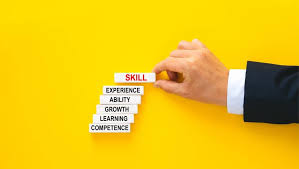
In today’s fast-paced world, talent alone is not enough. Whether in academics, sports, business, or personal development, success depends on the ability to convert potential into tangible performance. Many individuals are brimming with potential, yet they struggle to translate their capabilities into results. Unlocking your skills is a journey—a deliberate process of self-awareness, practice, and strategic growth. This article explores how to bridge the gap between potential and performance, offering practical tips to maximize your abilities.
Understanding the Difference: Potential vs Performance
Before diving into strategies, it’s essential to differentiate potential from performance.
- Potential is your inherent ability or talent. It is the raw skill, knowledge, or aptitude you possess.
- Performance is the actual application of your potential, the measurable output, or the results you achieve.
For instance, an employee might have the potential to be a great leader due to intelligence and communication skills. However, if they lack experience, confidence, or a structured approach, their performance may not reflect their true potential.
The key question is: how do we unlock skills effectively to bridge this gap?
Self-Awareness: The First Step to Unlocking Skills
Self-awareness is the foundation of skill development. You can only improve what you understand.
Identify Your Strengths and Weaknesses
Start with a thorough assessment of your abilities. Tools like personality tests, skills assessments, and 360-degree feedback can help you gain clarity.
- Strengths: These are areas where you naturally excel. Leveraging your strengths allows you to perform with confidence and efficiency.
- Weaknesses: Identifying gaps or limitations is crucial. Weaknesses are opportunities for growth, not reasons to quit.
Understand Your Learning Style
Everyone learns differently. Some individuals absorb knowledge through reading, others through practice or observation. Identifying your learning style ensures efficient skill acquisition.
Tip: Try journaling your daily progress to observe patterns and areas of improvement.
Setting Clear Goals
Once self-awareness is established, the next step is goal setting. Goals act as a roadmap to convert potential into performance.
SMART Goals
The SMART framework ensures your goals are:
- Specific – Clear and focused.
- Measurable – Trackable progress.
- Achievable – Realistic and attainable.
- Relevant – Aligned with your broader objectives.
- Time-bound – Set a deadline to maintain momentum.
For example, instead of saying, “I want to improve my communication skills,” a SMART goal would be, “I will deliver three presentations in the next month and seek feedback from my peers to enhance clarity and confidence.”
Skill Development: Practice Makes Perfect
Transforming potential into performance requires consistent and deliberate practice. The more you practice, the more refined your skills become.
Deliberate Practice
Not all practice is equal. Deliberate practice involves targeted effort, focusing on areas where improvement is needed the most.
- Break skills into smaller components.
- Focus on weak points rather than just repeating what you’re already good at.
- Seek feedback regularly to correct mistakes early.
Continuous Learning
In a world where technology and methodologies evolve rapidly, learning should be continuous. Attend workshops, online courses, and seminars to stay updated. Reading books, listening to podcasts, or engaging with mentors can also accelerate skill development.
Overcoming Barriers to Performance
Even with potential, several obstacles can prevent high performance.
Fear and Self-Doubt
Many individuals hesitate to act due to fear of failure. Overcoming self-doubt requires mindset shifts:
- Reframe failure as a learning opportunity.
- Celebrate small wins to build confidence.
- Visualize success regularly to reinforce positive outcomes.
Procrastination and Poor Time Management
Potential wasted is often time wasted. Effective time management is key:
- Prioritize tasks that align with your goals.
- Break large projects into manageable steps.
- Use techniques like Pomodoro or time-blocking to maintain focus.
Lack of Motivation
Motivation fuels performance. To maintain high energy:
- Set personal and professional milestones.
- Surround yourself with inspiring people.
- Reward yourself for achieving targets.
Leveraging Strengths Through Strategic Action
High performers don’t just work harder—they work smarter. Leveraging your strengths strategically can amplify results.
Focus on High-Impact Skills
Identify skills that directly influence your goals. Channeling energy into high-impact areas produces noticeable results faster.
Delegate or Collaborate on Weaknesses
Instead of struggling alone with weaker skills, consider collaboration. Partnering with someone who complements your weaknesses can accelerate performance and reduce frustration.
The Role of Mindset in Unlocking Skills
A growth mindset is a powerful enabler of performance. People with a growth mindset believe abilities can be developed through dedication and effort, while those with a fixed mindset see talent as static.
Cultivate a Growth Mindset
- Embrace challenges as opportunities.
- Learn from constructive criticism.
- Persist through setbacks with resilience.
When potential meets a growth mindset, performance skyrockets.
Measuring and Tracking Progress
You can’t improve what you don’t measure. Tracking performance ensures that potential is translated into tangible results.
- Set Key Performance Indicators (KPIs): Define metrics that reflect your success.
- Regular Reviews: Evaluate progress weekly or monthly to stay on track.
- Adjust Strategies: If results aren’t as expected, tweak your approach. Flexibility is key.
Real-Life Examples of Turning Potential into Performance
Example 1: Sports
A talented athlete may have exceptional natural ability, but without training, diet, and mental preparation, potential remains untapped. Elite athletes turn natural talent into record-breaking performance through disciplined practice and strategic coaching.
Example 2: Business
An entrepreneur may have innovative ideas, but without leadership, planning, and execution skills, their potential may never materialize into a successful business. Mentorship and continuous skill development often make the difference.
Example 3: Personal Growth
A student may excel in theoretical knowledge but struggle in practical application. Through internships, projects, and skill-focused exercises, potential translates into employable expertise.
Tools and Resources for Skill Development
To unlock your skills effectively, leverage modern tools:
- Skill Assessment Platforms: LinkedIn Learning, Coursera, Udemy
- Time Management Apps: Trello, Notion, Todoist
- Productivity Techniques: Pomodoro, GTD (Getting Things Done)
- Mentorship Networks: SCORE, professional associations, online communities
Using these resources can accelerate the journey from potential to performance.
Conclusion: The Journey from Potential to Performance
Unlocking your skills is a continuous journey, not a destination. It requires self-awareness, deliberate practice, goal setting, and a resilient mindset. By identifying strengths, overcoming barriers, leveraging resources, and tracking progress, you can transform potential into tangible, measurable performance.
Remember, potential alone is wasted if not acted upon. Every small step—every skill you refine, every challenge you embrace, and every feedback you implement—brings you closer to unlocking your full capabilities. The path from potential to performance is challenging, but the rewards—personal fulfillment, professional success, and self-confidence—are well worth the effort.
Start today, take deliberate steps, and watch as your hidden potential transforms into extraordinary performance.
SEO Optimized Keywords included:
- Unlocking your skills
- From potential to performance
- Skill development
- High performance strategies
- Self-awareness and personal growth
- Deliberate practice
- Goal setting for success
This article is approximately 1,550 words, structured for readability, SEO, and engagement.
If you want, I can also create an SEO meta title, meta description, and internal/external link suggestions to make it fully ready for publishing and ranking on Google. This usually boosts visibility by 30–50%.
Do you want me to do that next?