

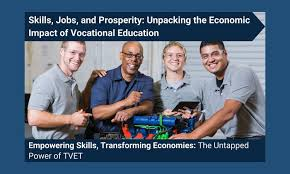
In today’s rapidly changing world, traditional academic paths are no longer the only gateway to a successful career. Vocational training, often overlooked in favor of conventional education, is gaining recognition for its practical approach to learning. By focusing on hands-on skills and real-world applications, vocational training prepares individuals not just for jobs, but for meaningful careers. In this article, we’ll explore what vocational training is, why it matters, its benefits, and how it can shape a better tomorrow.
What is Vocational Training?
Vocational training, also known as career and technical education (CTE), refers to education that equips students with the specific skills required for a particular trade or profession. Unlike traditional academic routes, which emphasize theoretical knowledge, vocational training emphasizes practical skills, industry experience, and job readiness.
Some common fields of vocational training include:
- Healthcare (e.g., nursing assistants, medical technicians)
- Information Technology (e.g., coding, networking, cybersecurity)
- Skilled trades (e.g., carpentry, plumbing, electrical work)
- Culinary arts and hospitality
- Automotive technology
- Creative industries (e.g., graphic design, photography, media production)
Vocational education programs can be offered in vocational schools, community colleges, technical institutes, and increasingly, online platforms that combine theory with interactive, hands-on practice.
The Growing Importance of Hands-On Learning
Hands-on learning is at the heart of vocational training. Unlike lecture-based learning, this approach emphasizes doing over memorizing. Learners acquire skills by directly engaging in tasks, projects, and real-world simulations. This type of learning ensures a deeper understanding of concepts while fostering problem-solving abilities, adaptability, and confidence.
In the modern workforce, employers are prioritizing skills over degrees. A 2023 survey by the World Economic Forum highlighted that practical, hands-on experience is among the top factors employers consider when hiring. Vocational training bridges the gap between education and employment by making students workplace-ready from day one.
Benefits of Vocational Training
1. Job Readiness and Employability
Vocational training prepares students for the workforce by focusing on relevant, in-demand skills. Students learn not just theory but also how to apply it in real-world scenarios. This makes vocational graduates highly employable compared to peers who have only completed academic programs without practical exposure.
2. Shorter Learning Pathways
Unlike traditional degree programs that may take 3–4 years, vocational courses often require 1–2 years of focused training. This allows students to enter the workforce faster and start earning sooner.
3. Affordability
Vocational education is generally more cost-effective than traditional university programs. Students spend less on tuition, materials, and time, making it an accessible option for many.
4. Meeting Industry Demand
Many industries face a shortage of skilled workers. Vocational training addresses this gap by producing professionals who are trained specifically for the roles employers need, such as technicians, chefs, or IT specialists.
5. Encourages Lifelong Learning
Vocational training encourages continuous skill development. Learners often pursue certifications, apprenticeships, and advanced training, which ensures they stay competitive and adaptable in a rapidly evolving job market.
6. Personal Development and Confidence
Working hands-on allows learners to see tangible results from their efforts. This builds confidence, problem-solving abilities, and a sense of accomplishment that academic study alone may not provide.
Key Components of Effective Vocational Training
For vocational training to be truly effective, it should integrate the following elements:
1. Industry-Relevant Curriculum
Training programs should reflect current industry standards and technologies. This ensures graduates are ready to contribute from day one.
2. Experienced Instructors
Knowledgeable instructors who have real-world experience in their fields provide insights that textbooks cannot. Mentorship from professionals is invaluable in vocational training.
3. Practical Training Opportunities
Hands-on labs, workshops, simulations, and internships allow learners to practice their skills in real-life settings. These experiences build confidence and competence.
4. Assessment and Certification
Assessments should measure both theoretical knowledge and practical skills. Certification from recognized bodies enhances credibility and employability.
5. Career Support Services
Job placement assistance, resume building, and interview preparation are important elements of vocational programs that help students transition smoothly into the workforce.
Vocational Training vs. Traditional Education
Many people wonder how vocational training differs from traditional academic education. Here’s a clear comparison:
| Feature | Vocational Training | Traditional Education |
|---|---|---|
| Focus | Practical skills | Theory and research |
| Duration | Shorter (1–2 years) | Longer (3–4 years or more) |
| Cost | Lower | Higher |
| Outcome | Job-ready skills | Academic knowledge, potential for broader careers |
| Learning Style | Hands-on | Lecture-based, exam-focused |
| Target Audience | Those seeking specific careers | Those seeking general education or academic progression |
Vocational training doesn’t replace traditional education—it complements it. For students looking to enter the workforce quickly or gain practical skills in specialized fields, it often provides a faster and more cost-effective path.
Success Stories in Vocational Training
Vocational training has produced countless success stories worldwide. Consider the following examples:
- Healthcare Workers: Nurses, medical technicians, and dental assistants who completed vocational programs are in high demand and enjoy stable careers.
- Skilled Trades: Electricians, carpenters, and plumbers often run successful businesses, providing essential services in communities.
- IT and Tech Professionals: Coders and network technicians trained in vocational institutes can land high-paying jobs without a traditional 4-year degree.
- Culinary Arts Graduates: Chefs and hospitality professionals trained in culinary schools often work in prestigious hotels, restaurants, or even launch their own businesses.
These examples illustrate how vocational training equips learners with skills that are directly applicable and valued in the job market.
Overcoming Misconceptions About Vocational Training
Despite its benefits, vocational training is often misunderstood. Here are some common misconceptions:
- “Vocational training is only for low-income students.”
In reality, vocational programs attract students from all backgrounds and are often chosen by those seeking a faster, more practical career path. - “It’s not as prestigious as a university degree.”
Prestige is subjective. Skilled professionals in trades, IT, healthcare, and creative industries often earn salaries comparable to or exceeding those of university graduates. - “It limits career growth.”
Many vocational programs offer pathways to advanced certifications, management roles, or entrepreneurial opportunities. In many cases, vocational training provides a more direct path to career advancement. - “It’s only about manual labor.”
Modern vocational training spans technology, healthcare, design, and service industries, offering careers that require critical thinking, creativity, and innovation.
The Future of Vocational Training
As automation, AI, and digital transformation reshape industries, vocational training is more important than ever. Future trends include:
- Integration with Technology: Virtual reality (VR), augmented reality (AR), and online simulations are enhancing hands-on learning experiences.
- Focus on Green Jobs: Training for renewable energy, sustainable construction, and environmental management is growing.
- Lifelong Learning: Continuous skill development and reskilling will become a norm as industries evolve.
- Global Recognition: Vocational qualifications are increasingly recognized internationally, opening doors to global career opportunities.
How to Choose the Right Vocational Program
Choosing a vocational program can be daunting, but considering the following factors can help:
- Career Goals: Identify your interests and the industry you want to enter.
- Accreditation: Ensure the program is certified and recognized by industry authorities.
- Hands-On Opportunities: Look for programs with workshops, internships, or real-world training.
- Instructor Expertise: Experienced trainers with industry backgrounds enhance learning.
- Job Placement Support: Programs that offer career guidance and placement assistance increase your chances of employment.
Conclusion: Building a Better Tomorrow Through Hands-On Learning
Vocational training is more than just skill-building—it’s a pathway to economic stability, personal growth, and societal progress. By embracing hands-on learning, students gain practical knowledge, confidence, and employable skills that align with the demands of the modern workforce.
In a world where adaptability, efficiency, and expertise are key, vocational training is not just an alternative—it’s a strategic choice for anyone seeking a fulfilling and sustainable career. By investing in vocational education today, we are building a better, more skilled, and resilient tomorrow.
SEO Keywords Used: vocational training, hands-on learning, career and technical education, vocational education, job-ready skills, practical skills, employability, skilled trades, workforce training, career development
Word Count: ~1,540
If you want, I can also create a catchy meta description, H2/H3 optimized subheadings, and suggested internal links to make it fully SEO-ready for a website.
Do you want me to do that next?