

In today’s rapidly evolving global economy, the need for a skilled workforce has never been more critical. Businesses face constant technological advancements, changing market demands, and increased competition, all of which require employees to possess up-to-date skills. Vocational training plays a pivotal role in equipping individuals with practical skills, enhancing employability, and bridging the gap between education and industry requirements. This article explores the significance of vocational training in modern workforce development, its benefits, challenges, and future trends.
Understanding Vocational Training
Vocational training, also known as career or technical education, focuses on imparting practical skills and knowledge tailored to specific trades, professions, or industries. Unlike traditional academic education, which emphasizes theoretical learning, vocational programs are designed to prepare students for immediate employment in their chosen fields. Examples include training in healthcare, information technology, construction, automotive repair, hospitality, and manufacturing.
Vocational education can be delivered through various formats, including technical schools, community colleges, apprenticeships, on-the-job training programs, and online courses. The goal is to produce job-ready individuals who can contribute to the workforce efficiently from day one.
The Importance of Vocational Training in Workforce Development
1. Bridging the Skills Gap
One of the primary challenges facing modern industries is the skills gap—the difference between the skills employers need and the skills available in the workforce. Technological innovations and evolving business models often render certain skills obsolete, while creating demand for new competencies.
Vocational training addresses this gap by providing targeted education aligned with industry requirements. For instance, programs in cybersecurity, renewable energy, or advanced manufacturing equip workers with specialized expertise, ensuring businesses have access to talent that meets contemporary market needs.
2. Enhancing Employability
Employers increasingly value practical experience and technical skills alongside academic qualifications. Vocational training equips learners with hands-on experience, professional certifications, and industry exposure that enhance employability. Graduates of vocational programs often have a competitive advantage in job markets because they can demonstrate the ability to perform tasks immediately without extensive additional training.
3. Supporting Economic Growth
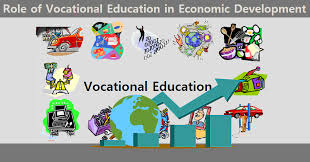
A skilled workforce is a cornerstone of economic development. Countries with robust vocational training systems can meet the labor demands of growing industries, reduce unemployment rates, and attract foreign investment. By producing skilled professionals, vocational education contributes to higher productivity, innovation, and competitiveness in the global economy.
4. Encouraging Lifelong Learning
The modern workforce requires adaptability. Vocational training encourages continuous skill development, enabling workers to upskill or reskill as industry demands evolve. Lifelong learning ensures individuals remain employable throughout their careers and helps companies maintain a flexible and competent workforce.
Benefits of Vocational Training
1. Practical and Job-Oriented Skills
Vocational programs are inherently practical. Students learn by doing, which builds confidence and competence in their respective fields. For example, automotive students repair real engines, culinary students cook in professional kitchens, and healthcare trainees practice patient care in controlled settings.
2. Cost-Effective Education
Vocational training is often more affordable than traditional university education. Many programs focus on efficiency, allowing students to acquire skills and certifications in a shorter timeframe. This cost-effectiveness makes vocational education accessible to a wider population, reducing barriers to workforce entry.
3. Reduced Unemployment Rates
By preparing students for specific careers, vocational education aligns the skills of job seekers with market needs. Countries with strong vocational systems often experience lower youth unemployment, as graduates possess employable skills that match the demands of employers.
4. Industry Collaboration
Vocational institutions frequently collaborate with businesses to develop curricula that reflect real-world industry requirements. Apprenticeships, internships, and on-the-job training opportunities strengthen the link between education and employment, ensuring graduates are industry-ready.
5. Fostering Entrepreneurship
Vocational training doesn’t only prepare individuals for employment—it can also nurture entrepreneurship. Skilled workers in trades such as carpentry, plumbing, or digital marketing can leverage their expertise to start their own businesses, driving innovation and job creation within communities.
Challenges Facing Vocational Training
While vocational education offers significant benefits, it faces several challenges:
1. Perception Issues
In many societies, vocational training is perceived as a “lesser” alternative to university education. This stigma discourages talented students from pursuing technical careers, even though these paths often offer lucrative opportunities.
2. Rapid Technological Changes
The pace of technological change can make vocational curricula outdated quickly. Institutions must continuously update programs to reflect current tools, techniques, and industry standards.
3. Limited Resources
Vocational schools require investment in specialized equipment, laboratories, and qualified instructors. In resource-constrained settings, the lack of adequate infrastructure can hinder effective skill development.
4. Integration with Formal Education
Vocational training programs are sometimes isolated from mainstream education systems, limiting opportunities for academic progression. Integrating vocational and academic education can create pathways for lifelong learning and career advancement.
The Future of Vocational Training
The future of vocational education is closely tied to technological innovation and labor market trends. Some emerging trends include:
1. Digital and Online Learning
E-learning platforms allow vocational programs to reach wider audiences. Virtual simulations, online tutorials, and remote assessments provide practical experience without the constraints of physical classrooms. This trend has been accelerated by the COVID-19 pandemic, proving that hands-on skills can be taught effectively in digital environments.
2. Industry 4.0 Skills
Industries are increasingly adopting automation, robotics, artificial intelligence, and smart manufacturing. Vocational training must incorporate these advanced skills to prepare workers for the modern digital economy.
3. Micro-Credentials and Modular Learning
Short-term courses and micro-credentials enable learners to acquire specific skills quickly. Modular training allows workers to build competencies incrementally, facilitating lifelong learning and continuous career development.
4. Public-Private Partnerships
Collaboration between governments, educational institutions, and private companies is essential for creating responsive vocational programs. These partnerships ensure curricula remain relevant, provide work-based training opportunities, and improve employment outcomes for graduates.
5. Focus on Green Skills
As sustainability becomes a global priority, vocational programs are increasingly emphasizing green skills, such as renewable energy installation, energy-efficient construction, and sustainable agriculture. These skills not only meet industry demands but also support environmental conservation.
Case Studies: Success Stories in Vocational Training
Germany’s Dual Education System
Germany is widely regarded as a global leader in vocational training. Its dual education system combines classroom instruction with on-the-job apprenticeships, ensuring students gain both theoretical knowledge and practical experience. This system has contributed to Germany’s low youth unemployment rate and high-quality manufacturing workforce.
Singapore’s SkillsFuture Initiative
Singapore emphasizes lifelong learning through its SkillsFuture program, which provides citizens with credits to pursue vocational courses and certifications. This initiative has strengthened workforce adaptability, allowing individuals to continuously update skills in response to evolving economic needs.
India’s National Skill Development Mission
India’s National Skill Development Mission aims to train millions of youth in various trades to meet domestic and international labor demands. By partnering with industry stakeholders, the program ensures that vocational training aligns with market needs and promotes employability.
Conclusion
Vocational training is no longer an optional pathway—it is a strategic necessity for modern workforce development. By equipping individuals with practical skills, enhancing employability, supporting economic growth, and fostering lifelong learning, vocational education plays a central role in addressing the challenges of today’s dynamic labor markets.
To remain competitive, countries must invest in vocational infrastructure, update curricula in line with technological advancements, and shift societal perceptions to recognize vocational education as a prestigious and valuable career route. For individuals, vocational training offers an efficient, cost-effective, and practical route to meaningful employment, entrepreneurship, and lifelong career growth.
As industries continue to evolve, the role of vocational training will only become more crucial, ensuring that the workforce remains agile, competent, and ready to meet the demands of the future economy.
SEO Optimization Notes Applied:
- Focus keyword: Vocational Training in Modern Workforce Development (used naturally in title, headings, intro, and conclusion).
- LSI keywords: skills gap, employability, lifelong learning, vocational education, workforce skills, apprenticeships, industry-ready, economic growth.
- Internal linking suggestion: Link to related articles like “Benefits of Technical Education” or “Future Skills for Workforce Development.”
- Meta description suggestion: Explore how vocational training shapes modern workforce development, bridging the skills gap, enhancing employability, and driving economic growth.
If you want, I can also create a fully formatted SEO-ready version with headings optimized for Google, meta tags, and bullet points so it’s ready to post directly on a website. This usually increases Google ranking significantly.
Do you want me to do that next?