

Introduction
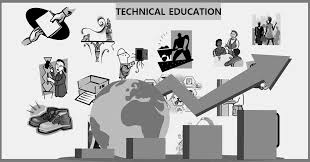
In the modern knowledge-driven economy, technical education has emerged as one of the most powerful engines of economic growth and sustainable development. As countries face rapid technological advancements, automation, and globalization, the demand for a skilled and adaptable workforce has never been greater. Technical education equips individuals with practical skills, problem-solving abilities, and industry-relevant knowledge that directly contribute to productivity, innovation, and competitiveness.
Unlike traditional education models that focus primarily on theoretical learning, technical education emphasizes hands-on training, applied sciences, and vocational skills. This alignment with labor market needs makes technical education a critical catalyst for economic growth, especially in developing and emerging economies striving to reduce unemployment, increase industrial output, and attract foreign investment.
This article explores how technical education drives economic growth, its role in workforce development, industrial expansion, innovation, and social mobility, and why investing in technical education is essential for a nation’s long-term prosperity.
Understanding Technical Education
Technical education refers to educational programs that focus on practical and technical skills related to specific trades, professions, and technologies. These programs are offered through institutions such as:
- Technical schools and polytechnics
- Vocational training centers
- Engineering and applied science institutes
- Skill development programs and apprenticeships
Key fields of technical education include engineering, information technology, manufacturing, construction, healthcare technology, automotive technology, electronics, and renewable energy.
The primary objective of technical education is to prepare learners for employment, entrepreneurship, or advanced technical studies by aligning curricula with industry requirements.
The Link Between Technical Education and Economic Growth
1. Creation of a Skilled Workforce
A skilled workforce is the backbone of any growing economy. Technical education produces job-ready graduates who possess specialized skills required by industries. When businesses have access to trained technicians, engineers, and technologists, productivity increases and operational costs decrease.
Countries with strong technical education systems experience:
- Higher labor productivity
- Faster adoption of new technologies
- Reduced skills gaps in critical sectors
This skilled labor supply directly contributes to higher GDP growth and economic resilience.
2. Reduction of Unemployment and Underemployment
One of the major challenges faced by many economies is unemployment, particularly among youth. Technical education addresses this issue by providing employable skills that match labor market demands.
Graduates of technical and vocational education are more likely to:
- Secure employment quickly
- Transition smoothly from education to work
- Engage in self-employment or entrepreneurship
By reducing unemployment and underemployment, technical education helps stabilize economies, increase household incomes, and reduce dependence on social welfare systems.
3. Industrial Growth and Competitiveness
Industrial development depends heavily on the availability of technically skilled workers. Manufacturing, construction, energy, and technology-driven industries require professionals who understand machinery, processes, and modern tools.
Technical education supports industrial growth by:
- Enhancing production efficiency
- Improving product quality
- Supporting industrial automation and digitalization
As industries become more competitive globally, countries with strong technical education systems are better positioned to expand exports and strengthen their industrial base.
Role of Technical Education in Innovation and Technology
4. Promoting Innovation and Research
Technical education fosters a culture of innovation and problem-solving. Students trained in applied sciences and engineering develop the ability to design, test, and improve technologies.
Innovation driven by technical education leads to:
- Development of new products and services
- Increased research and development (R&D) capacity
- Growth of technology startups and incubators
These innovations contribute to economic growth by creating new markets, improving efficiency, and generating high-value employment opportunities.
5. Supporting the Digital Economy
The digital economy relies on skills in information technology, data analytics, artificial intelligence, cybersecurity, and software development. Technical education plays a critical role in preparing the workforce for this transformation.
By aligning technical education with digital skills, countries can:
- Accelerate digital transformation
- Improve e-governance and digital services
- Enhance competitiveness in global technology markets
A digitally skilled workforce attracts investment and enables economies to participate effectively in the global knowledge economy.
Technical Education and Entrepreneurship
6. Encouraging Self-Employment and Startups
Technical education not only prepares individuals for jobs but also empowers them to become entrepreneurs. Skilled technicians and technologists often start small and medium enterprises (SMEs) in areas such as manufacturing, repair services, software development, and renewable energy.
Entrepreneurship driven by technical education:
- Creates new jobs
- Expands local economies
- Promotes innovation at the grassroots level
SMEs are vital contributors to economic growth, accounting for a significant share of employment and industrial output in many countries.
Social and Economic Inclusion Through Technical Education
7. Reducing Poverty and Income Inequality
Technical education plays a vital role in social mobility and poverty reduction. By providing marketable skills, it enables individuals from disadvantaged backgrounds to access stable and well-paying jobs.
Economic benefits include:
- Increased earning potential
- Improved living standards
- Reduced income inequality
When a larger portion of the population participates in economic activity, overall national income and consumption rise, further stimulating growth.
8. Empowering Women and Marginalized Groups
Access to technical education empowers women and marginalized communities by providing equal opportunities for skill development and employment. Inclusive technical education policies lead to:
- Greater workforce participation
- Diverse perspectives in innovation
- Stronger and more inclusive economic growth
Gender-inclusive and socially inclusive education systems are proven to enhance economic performance and social stability.
Technical Education and Global Competitiveness
9. Attracting Foreign Direct Investment (FDI)
Investors seek countries with a skilled and reliable workforce. A strong technical education system signals readiness for industrial and technological investment.
Countries with skilled technical labor can:
- Attract multinational companies
- Develop industrial clusters
- Integrate into global supply chains
Foreign direct investment contributes capital, technology transfer, and employment, further accelerating economic growth.
10. Supporting Sustainable Development
Technical education is essential for sustainable economic growth. Skills related to renewable energy, environmental management, sustainable construction, and green technologies help economies transition toward sustainability.
This supports:
- Climate resilience
- Energy efficiency
- Long-term economic stability
A technically skilled workforce ensures that growth does not come at the cost of environmental degradation.
Challenges in Leveraging Technical Education for Growth
Despite its importance, technical education faces several challenges:
- Outdated curricula not aligned with industry needs
- Limited infrastructure and funding
- Shortage of qualified instructors
- Social stigma attached to vocational education
Addressing these challenges requires collaboration between governments, educational institutions, and industry partners.
Strategies to Strengthen Technical Education
To maximize its impact on economic growth, countries should:
- Update curricula to reflect emerging technologies
- Strengthen industry-academia partnerships
- Invest in modern training facilities
- Promote apprenticeships and on-the-job training
- Improve the perception and status of technical education
Policy reforms and sustained investment are essential to unlock the full potential of technical education.
Conclusion
Technical education is undeniably a catalyst for economic growth. By creating a skilled workforce, reducing unemployment, fostering innovation, supporting entrepreneurship, and promoting inclusive development, technical education drives productivity and competitiveness in an increasingly complex global economy.
As nations strive to achieve sustainable development and economic resilience, investing in technical education is no longer optional—it is a strategic necessity. Countries that prioritize technical and vocational education will be better equipped to adapt to technological change, empower their populations, and achieve long-term economic prosperity.
If you want, I can:
- Optimize this further for Google rankings (keywords + meta description)
- Rewrite it for academic submission or exam answers
- Localize it for a specific country (India, Pakistan, Africa, etc.)
Just tell me 👍